
- Home
- Blog
- What Patients Look for When Comparing Cardiologists: Preventive Consultations, Diagnostic Follow-Up, and Specialist Choice
What Patients Look for When Comparing Cardiologists: Preventive Consultations, Diagnostic Follow-Up, and Specialist Choice
What patients compare when choosing a cardiologist: preventive visits, diagnostic follow-up, credentials, access and how practices should present.
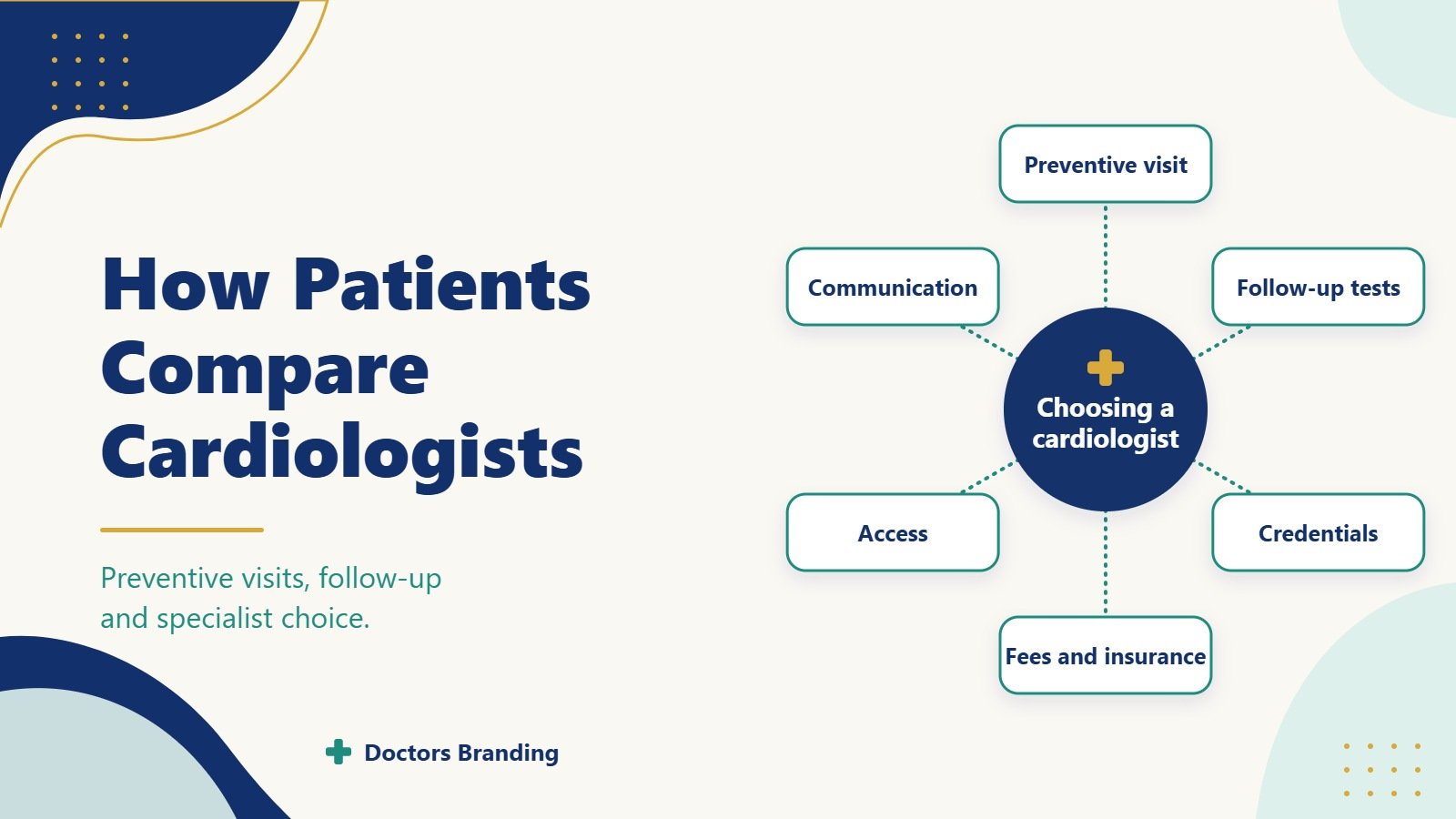
Patients rarely pick a cardiologist based only on hospital name or procedure numbers. They look at practical barriers and the experience they expect from the first preventive cardiology visit and later diagnostic follow up. Cardiologist patient search behaviour and specialist choice follows a clear pattern. People start online. They apply hard filters such as insurance and credentials. Then they judge softer signals of thoroughness, communication, and continuity.
Most people begin with a symptom, a risk factor, a family history, or a referral. From there the majority open a search engine. Many patients use Google or similar tools before booking a specialist. Many end up choosing the doctor they first found online. Common searches include “cardiologist near me” and “preventive cardiology.” More specific queries cover follow up after a calcium score or help with high cholesterol. This is core cardiologist patient search behaviour and specialist choice.
How Patients Search and Short List Cardiologists
Cardiologist patient search behaviour and specialist choice happens in stages. Early queries focus on symptoms or risk. Mid stage queries add the specialist and location. Later stages check named doctors, review themes, insurance, and booking. High intent phrases such as “preventive cardiology accepting new patients” show the person is ready to schedule.
Primary care referrals still matter. They start a large share of specialist searches. Almost every patient still checks credentials and reviews on their own. Hospital or health system links act as a quality signal, especially when tests may involve imaging or other specialists. Location and open appointments often beat pure reputation once insurance is confirmed. Travel time and appointment availability often weigh heavily when two practices look similar. These details shape cardiologist patient search behaviour and specialist choice.
Online reviews give a clear window into what patients compare. A large analysis of cardiologist reviews in the Journal of the American Heart Association found three strong drivers of high ratings. These were competency and knowledge, thoroughness, and positive staff interactions. Negative staff comments lowered scores sharply. Mentions of the doctor by name also linked to better ratings. Review reading is a major part of cardiologist patient search behaviour and specialist choice.
Insurance and credentials sit at the top of the filter list. Consumer surveys of how people choose doctors often rank insurance acceptance, clinical expertise, and communication skills near the top. Medical licence and board certification are widely treated as basic requirements, and insurance participation matters almost as much. Without these items even strong reviews rarely produce a booking. They form the first gate in cardiologist patient search behaviour and specialist choice.
What Patients Prioritise in Preventive Cardiology Consultations
Preventive cardiology visits differ from acute or procedure visits. Patients want risk explanation, lifestyle guidance, and a realistic plan. Shared decision making guidance from the American Heart Association and European Society of Cardiology stresses treating patients as partners who can change controllable risks. These expectations sit at the centre of cardiologist patient search behaviour and specialist choice.
A 2025 discrete choice experiment of Quebec residents who have or are at risk of cardiovascular disease looked at how people choose a primary care practice. Access had the largest effect on their choices. Listening to and respecting preferences, personalised information, and continuity of care also influenced choices. The authors suggest that improving several features in a balanced way may work better than excelling in only one. The study covered primary cardiovascular care in one province, so treat it as a guide rather than a rule for every specialist.
Patients also describe everyday expectations of cardiology visits. Many want a doctor who is empathetic, keeps knowledge current, and explains complex terms in plain language. They want enough time for the visit to feel unhurried, careful listening, and a thorough physical exam. Patients are often open to recommended tests once they trust the reasoning. These points appear often when people describe what they seek during cardiologist patient search behaviour and specialist choice.
Communication quality decides many choices. Patients look for signs that the cardiologist will discuss trade offs, note personal limits such as family duties or cost concerns, and avoid pure technical talk. Addressing real life barriers is often more effective for engagement than quoting risk numbers alone. Practices that describe how they run these conversations give patients a signal they can judge before booking.
Diagnostic Follow Up and Ongoing Care Expectations
Once testing starts, priorities shift toward safety, clear results, and continuity. A discrete choice study on non invasive cardiovascular imaging found patients gave the highest weight to risks and side effects. They preferred milder side effect profiles. They wanted to avoid ionising radiation or certain stress agents when alternatives existed. Physicians weighed out of pocket cost more heavily. Patients notice whether risks are explained in concrete terms before a stress test, CT angiogram, or repeat echo. This stage is critical in cardiologist patient search behaviour and specialist choice.
Diagnostic follow up logistics shape both first choice and later loyalty. Patients watch whether the same clinician or team reads serial results. They note how fast abnormal findings are shared. They check whether the practice coordinates with primary care. Continuity of care also influenced choices in the Quebec study, especially for older patients and those in poorer health. Patients compare the first visit and the reliability of the path from test order to results talk to next step. Long waits or unclear next steps appear often in negative reviews. Clear explanations of “what this number means” appear in positive ones.
Clinician style affects follow up rates. Research inside cardiology practices shows individual doctor habits can influence the chance of follow up visits more than diagnosis or patient traits alone. Patients sense these differences. They factor reliability into comparisons, especially when they expect ongoing checks for blood pressure, cholesterol, or early coronary disease. Reliability of diagnostic follow up is a key filter in cardiologist patient search behaviour and specialist choice.
Key Decision Factors Patients Compare Side by Side
When patients place two or three cardiologists next to each other, they usually weigh the same set of points drawn from surveys and review studies. These points define real world cardiologist patient search behaviour and specialist choice:
- Insurance acceptance and estimated out of pocket costs for common preventive tests
- Board certification, years of experience, and focus on preventive cardiology or lipid care
- Online ratings and recent review themes, especially thoroughness, communication, and staff
- Appointment openings and typical wait for a new preventive visit
- Location ease, parking, or transport access
- Signs of shared decision making and how risk talks are described
- Continuity signals such as the same doctor for follow up and clear results process
- Gender or cultural comfort preferences some patients state openly
Gender and race patterns appear in large review sets. Female cardiologists have received lower average ratings and more negative communication comments in some analyses. Age and past experience also change weights. Younger adults stress digital convenience and recent reviews. Older patients more often stress reputation, referral source, and institutional links. Prior good experiences with physicians raise the value people place on credentials and continuity.
Search Behaviour Patterns Specific to Cardiology
Patients rarely finish research in one sitting. Typical paths start with a symptom or risk search. They move to a specialist plus location query. They then check names and reviews. They finish with insurance or booking checks. Pages that match each stage reduce drop off. Useful pages include service overviews that name preventive cardiology, doctor profiles that list board certification and relevant experience, FAQ sections that explain common tests and result timelines, and clear new patient or insurance notes. Matching these stages supports better cardiologist patient search behaviour and specialist choice outcomes.
Primary care referrals remain valuable. The verification step is still nearly universal. Hospital or system affiliation can act as a useful proxy for quality and coordination. Practices that make credentials, process details, and affiliation easy to find on their own sites and on third party profiles meet patients at the moment of comparison. This is practical cardiologist patient search behaviour and specialist choice in action.
Implications for How Practices Present Themselves and Structure Care
Patients judge both the preventive cardiology visit experience and the reliability of diagnostic follow up. Practices that show thoroughness, current knowledge, clear communication, and practical access convert more of the people who find them. Online profiles that list board certification, preventive focus, typical visit length, results timing, and team continuity give the signals patients look for. Review responses that address communication and staff issues can help limit the rating damage from cardiologist reviews. These steps directly improve results from cardiologist patient search behaviour and specialist choice.
Clinical processes matter as much as web pages. Scheduling that protects enough time for new preventive visits helps. Standard ways of explaining test risks and results help. Reliable hand offs to primary care help. Patients notice when a practice delivers the thoughtful, unhurried visit, the prompt results talk, and the sense that their preferences were heard. These details later appear in reviews and word of mouth. They shape the next comparison when someone searches again or recommends a cardiologist to family.
Cardiologist patient search behaviour and specialist choice combines hard filters and softer experience factors. Hard filters include insurance, credentials, and location. Softer factors include thoroughness, listening, risk explanation, and continuity. Practices that match this hierarchy in both daily workflows and public information align what patients seek with what they find. The match improves booking rates and longer term satisfaction.
Keep reading
More from the Doctors Branding blog
-
Why Booked Appointments and Form Leads Are Different Marketing Measures
Why form leads and booked appointments are different measures, how to track them separately and how to improve the step...
Read article → -

What Patients Look For When Comparing Cosmetic Surgeons
What patients compare when choosing a cosmetic surgeon: consultation experience, recovery details, before and after photos, credentials and costs.
Read article → -

What Patients Look For When Comparing Dermatologists
How patients compare dermatologists for medical skin, hair and aesthetic care: credentials, photos, reviews, access and what practice pages should...
Read article →
Want this kind of thinking applied to your practice?
Start with a conversation about where your doctor, clinic or hospital marketing stands today.