
What Patients Look For When Comparing Dermatologists
How patients compare dermatologists for medical skin, hair and aesthetic care: credentials, photos, reviews, access and what practice pages should show.
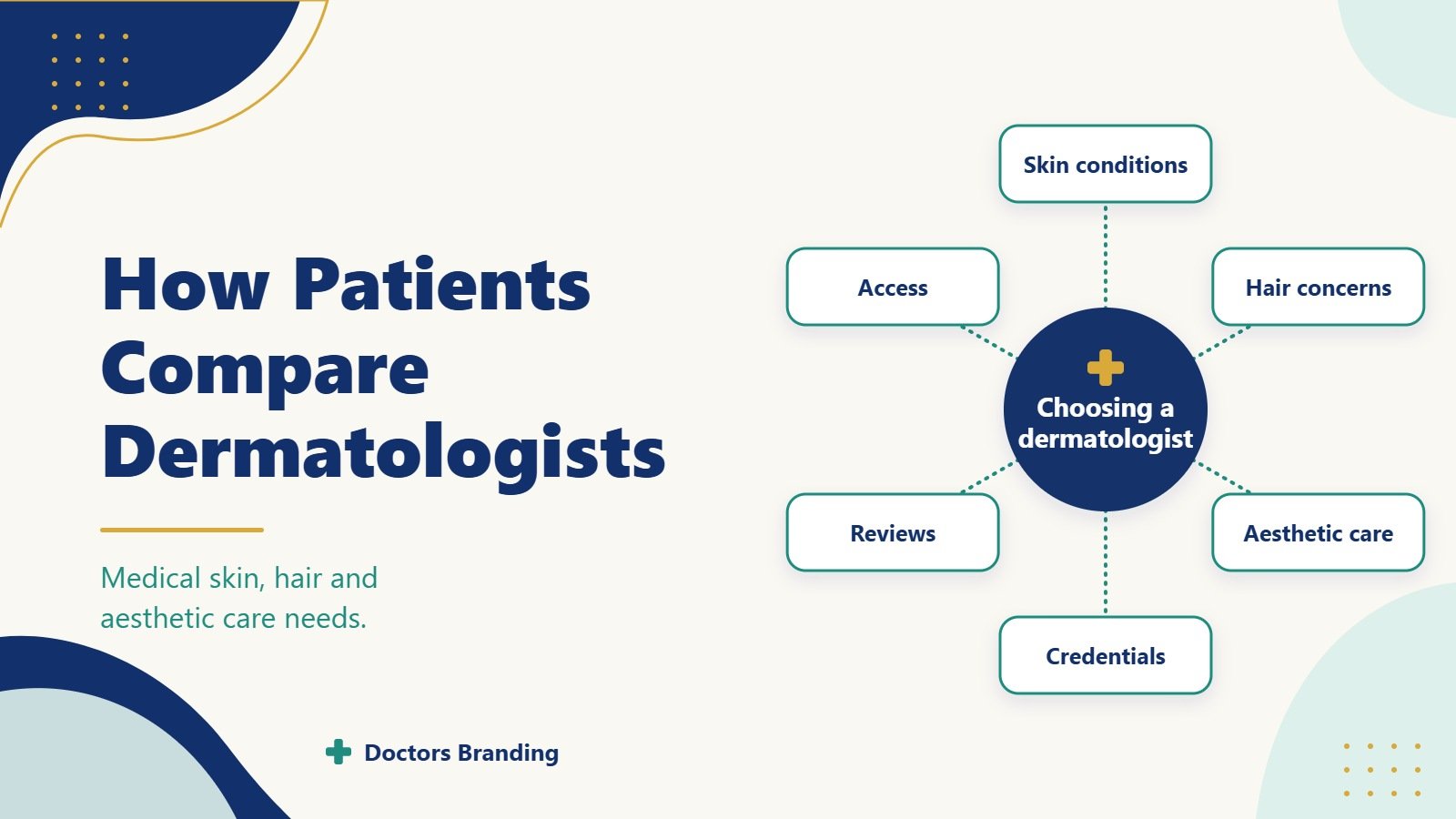
Patients comparing dermatologists balance medical needs with appearance goals. They research skin conditions, hair concerns, and aesthetic treatments before they book. Dermatologist patient search behaviour and specialist choice mixes clinical trust, visual results, wait times, and consultation style. This how to guide explains the factors patients weigh and how practices can match that research.
People arrive with acne, rashes, hair thinning, or interest in injectables and lasers. They search, read reviews, check photos, and often visit more than one office. Clear information shortens the path from search to appointment.
How Patients Begin Comparing Dermatologists
Most start with a symptom or desired treatment plus location. They quickly open profiles, review sites, and before and after galleries.
Typical first actions
- Search the condition or treatment with the city name
- Check Google ratings and recent comments
- Look for board certification and focus areas
- View photos of similar skin or hair cases
- Note wait time for new patients and consultation process
These steps shape early dermatologist patient search behaviour and specialist choice. Patients eliminate names that lack relevant experience or clear photos.
Medical Skin Condition Priorities
For rashes, acne, eczema, or suspicious spots, patients prioritise diagnostic skill and clear treatment plans.
What they compare
- Experience with their specific condition
- Approach to testing or biopsy when needed
- Explanation of causes and expected timeline
- Options that include both medical and supportive care
- Follow up process and how results are shared
They want to know the dermatologist will investigate thoroughly rather than offer only a quick prescription. Thoroughness signals appear often in positive reviews and influence dermatologist patient search behaviour and specialist choice.
Hair Concern Comparisons
Hair loss and scalp issues bring extra emotional weight. Patients look for specialists who address both medical and cosmetic angles.
Key points they examine
- Diagnostic steps such as scalp exam or lab suggestions
- Range of treatments from topical to procedural
- Realistic timelines for visible change
- Before and after examples of similar hair patterns
- Discussion of underlying causes rather than product sales
Practices that publish straightforward hair pathways earn more consults. Vague claims push patients to keep searching. Accurate hair information supports better dermatologist patient search behaviour and specialist choice.
Aesthetic Appointment Expectations
Aesthetic visits for injectables, lasers, or skin quality focus on natural results and safety.
Factors patients line up
- Before and after photos with consistent lighting
- Experience with the exact device or product
- Approach to facial balance rather than maximum change
- Downtime and aftercare details
- Consultation that includes honest suitability advice
They often compare two or three providers on photos alone before booking. Galleries that show subtle, believable outcomes convert more reliably. Visual proof is central to aesthetic dermatologist patient search behaviour and specialist choice.
Credentials and Safety Checks
Once a short list forms, patients verify qualifications and setting.
Items they confirm
- Board certification in dermatology
- Hospital affiliation or accredited procedure room
- Specific training for lasers or injectables
- Clear infection control and product sourcing notes
- Staff credentials for any supporting treatments
Missing credentials remove a provider from consideration. Transparent safety details build confidence during dermatologist patient search behaviour and specialist choice.
Reviews and Patient Experience Themes
Reviews supply details the website may not cover.
Recurring decision factors
- Dermatologist listened and examined carefully
- Wait time in office matched expectations
- Staff explained aftercare clearly
- Results for acne, hair, or aesthetics matched discussion
- Billing and insurance questions were handled smoothly
Recent reviews matter most. Patients also note how the practice replies to criticism. These patterns act as a final filter in dermatologist patient search behaviour and specialist choice.
Practical Barriers That Affect Choice
Logistics decide many bookings even after clinical fit is clear.
Common comparison points
- New patient wait time
- Acceptance of their insurance or clear self pay pricing
- Online booking versus phone only
- Location and parking ease
- Availability of evening or weekend slots
- Telehealth option for follow up
Long waits or unclear costs send patients to the next name. Reducing these barriers lifts conversion from research to appointment and improves dermatologist patient search behaviour and specialist choice outcomes.
How Search Queries Evolve
Queries grow more specific as patients narrow options.
Typical sequence
- Condition or treatment plus location
- Dermatologist name plus reviews
- “Best dermatologist for hair loss” or “acne scars”
- Before and after searches
- Recovery or downtime questions
- Insurance or cost queries
Content that answers each stage keeps users on the site. Gaps drive them to review platforms or competitors. Matching the sequence strengthens dermatologist patient search behaviour and specialist choice.
What Effective Practice Pages Include
Pages aligned with patient research generate higher quality enquiries.
High performing elements
- Condition and treatment pages written in plain language
- Photo galleries sorted by concern with similar starting points
- Provider profiles that list relevant focus and training
- Clear new patient process and typical wait times
- Straightforward pricing or insurance notes
- Short recovery or aftercare summaries
- Easy mobile booking or request buttons
Scannable sections outperform dense text. Patients should find proof of experience within seconds. Well organised pages support smoother dermatologist patient search behaviour and specialist choice.
Measuring Fit With Patient Behaviour
Track signals that show whether information matches what people seek.
Useful metrics
- Appointment requests mentioning specific conditions or photos
- Time on gallery and condition pages
- Questions asked about wait times or aftercare
- Review sentiment trends
- Show rate after online booking
These numbers highlight gaps. Updating photos or wait time notes often improves both volume and fit of new patients. Ongoing checks keep materials current with dermatologist patient search behaviour and specialist choice.
Differences Across Appointment Types
Medical, hair, and aesthetic patients share some criteria yet emphasise different proofs.
Medical patients stress diagnostic thoroughness and follow up clarity. Hair patients want realistic timelines and cause focused plans. Aesthetic patients prioritise natural photo results and downtime honesty.
Practices that segment page content and gallery filters serve each group better. Recognising the differences refines dermatologist patient search behaviour and specialist choice strategy.
Patients comparing dermatologists look for relevant experience, believable photos, clear processes, reasonable access, and trustworthy reviews. They research conditions, hair options, and aesthetic treatments online before they commit to a visit. Practices that answer these points directly and visually earn more appointments from the right patients. Keep galleries honest, wait times visible, and explanations plain. The details that help people choose also reduce no shows and build longer term relationships.
Keep reading
More from the Doctors Branding blog
-
Why Booked Appointments and Form Leads Are Different Marketing Measures
Why form leads and booked appointments are different measures, how to track them separately and how to improve the step...
Read article → -

What Patients Look For When Comparing Cosmetic Surgeons
What patients compare when choosing a cosmetic surgeon: consultation experience, recovery details, before and after photos, credentials and costs.
Read article → -

What Patients Look For When Comparing Cardiac Surgeons
How patients search for and compare cardiac surgeons: referrals, second opinions, hospital strength, reviews and the information they expect online.
Read article →
Want this kind of thinking applied to your practice?
Start with a conversation about where your doctor, clinic or hospital marketing stands today.