
What Patients Look For When Comparing Cardiac Surgeons
How patients search for and compare cardiac surgeons: referrals, second opinions, hospital strength, reviews and the information they expect online.
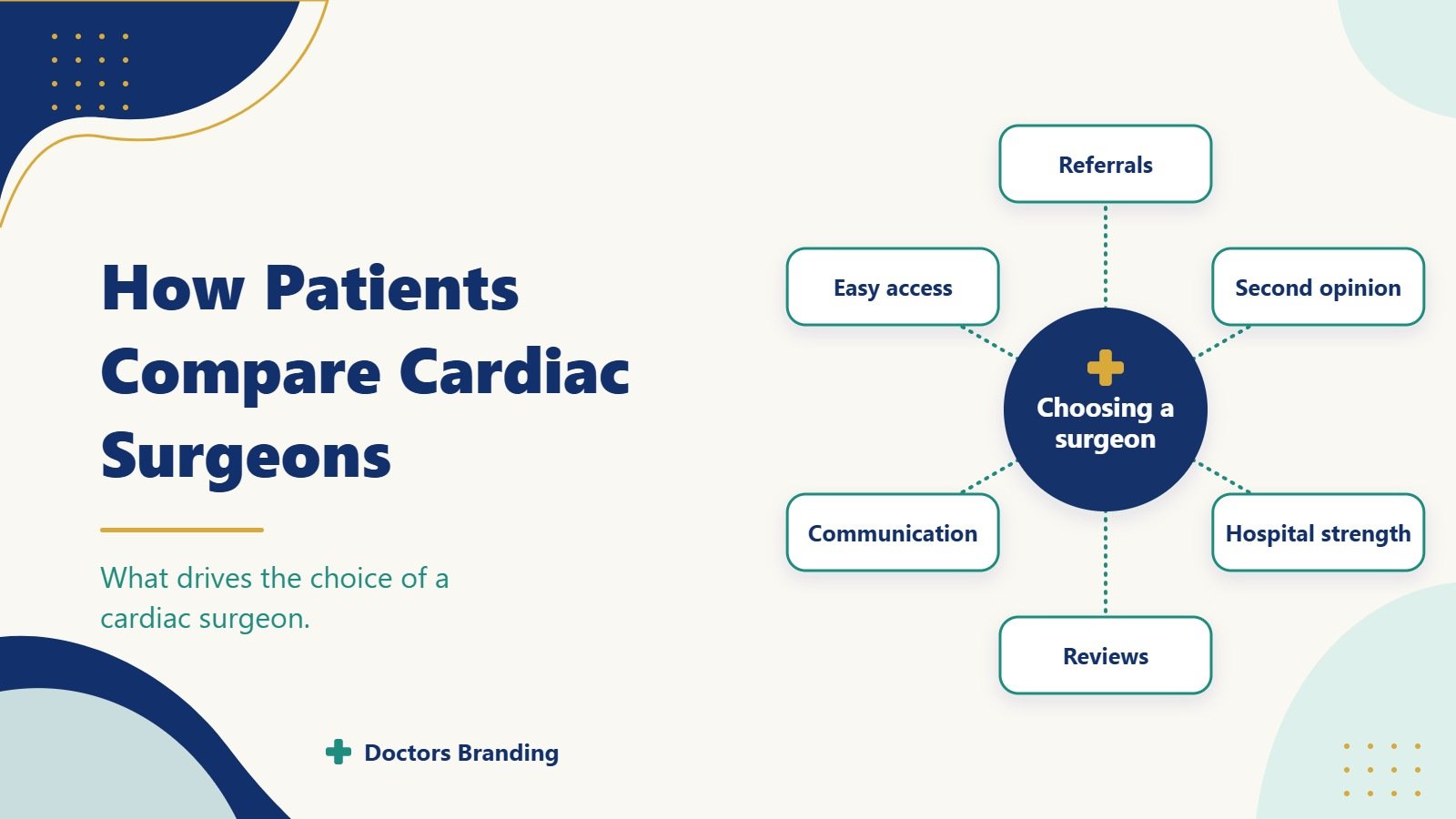
Patients facing heart surgery rarely choose a surgeon on reputation alone. They weigh referrals, outcomes data, hospital strength, communication style, and the chance for a second opinion. Cardiac surgeon patient search behaviour and specialist choice follows a careful path because the decision carries high risk and long recovery. This guide explains the factors patients compare and how they research before they commit.
Most journeys start with a cardiologist referral or a new diagnosis that points toward surgery. From there patients open search engines, read profiles, check reviews, and often seek a second opinion. Understanding cardiac surgeon patient search behaviour and specialist choice helps surgical teams present the information patients actually use.
How Patients Begin Their Search for a Cardiac Surgeon
The first step is almost always a referral or a clear recommendation from a cardiologist. Patients still verify that name online. They search the surgeon’s full name plus the hospital, then look for procedure volume, board certification, and recent patient comments.
Typical early actions
- Google the surgeon name and hospital together
- Check the hospital website for the surgeon profile
- Read Google and Healthgrades reviews
- Look for years of experience with the specific operation
- Note whether the surgeon offers or encourages second opinions
These steps form the core of cardiac surgeon patient search behaviour and specialist choice. Patients want proof that the recommended surgeon matches their exact need.
The Role of Referrals in Specialist Choice
A strong referral from a trusted cardiologist carries heavy weight. Patients still cross check it. Patients often research the referred doctor even when the primary physician made the introduction. They look for alignment between the referral reason and the surgeon’s stated focus.
What patients check after a referral
- Does the surgeon list the exact procedure on the profile
- How many similar cases does the hospital report
- Are outcomes or quality metrics published
- Does the surgeon work with a familiar heart team
Clear answers reduce doubt. Missing answers push patients to seek other names. This verification habit is central to cardiac surgeon patient search behaviour and specialist choice.
Why Second Opinions Matter So Much
Cardiac surgery decisions often involve major operations such as bypass, valve repair, or aortic procedures. Many patients and families request a second opinion before they book. They want confirmation that surgery is the best path and that the chosen surgeon is experienced with their specific anatomy or condition.
Common reasons patients seek a second opinion
- The first recommendation feels rushed
- They want another view on timing or alternatives
- Family members ask for more input
- Online reading raises new questions about risk
- They hope to compare hospital resources
Surgeons and hospitals that welcome second opinions and make records easy to share tend to earn trust. Patients remember which teams made the process simple. That memory influences final cardiac surgeon patient search behaviour and specialist choice.
Key Factors Patients Compare Side by Side
Once two or three surgeons are on the list, patients examine a consistent set of points.
Experience and volume They look for how many times the surgeon has performed the exact operation. Higher volume is widely linked in patient minds with better familiarity and smoother recovery.
Hospital resources Patients check whether the hospital has a dedicated heart team, advanced imaging, and strong intensive care support. Affiliation with a known cardiac center adds confidence.
Outcomes and transparency Any published success rates, complication notes, or quality scores receive close attention. Clear language about risks matters more than perfect numbers.
Communication style Reviews and first meeting impressions focus on whether the surgeon explains options in plain words, answers family questions, and discusses recovery timelines.
Practical access Wait time for consultation, ease of getting records transferred, and coordination with the referring cardiologist all influence the final pick.
These points drive real cardiac surgeon patient search behaviour and specialist choice. Teams that surface them early answer the questions patients are already asking.
What Online Reviews Reveal About Surgeon Choice
Public reviews of cardiac surgeons highlight thoroughness, clear explanations, and staff coordination. Patients praise surgeons who take time to discuss risks and recovery. They criticise long waits for answers, unclear next steps, or feeling rushed during the consult.
Frequent positive themes
- Took time to explain the procedure and alternatives
- Answered every family question
- Coordinated smoothly with the cardiologist
- Provided realistic recovery expectations
Frequent concerns
- Hard to reach after the first visit
- Limited discussion of non surgical options
- Confusion about which hospital team members would be involved
Review patterns mirror broader specialist research. Competency signals and communication quality strongly affect ratings. Patients use these comments as a final filter in cardiac surgeon patient search behaviour and specialist choice.
Information Patients Expect on Surgeon and Hospital Pages
Profiles that match search behaviour convert more consultations into booked surgery dates.
High value profile elements
- Board certification and years in practice
- Specific procedures performed and approximate annual volume
- Hospital affiliations and heart team description
- Short explanation of the consultation and second opinion process
- Clear contact path for record transfer
- Links to any publicly reported quality data
Pages written in patient language outperform those filled only with technical terms. Visitors should understand the surgeon’s focus within seconds. This clarity supports better cardiac surgeon patient search behaviour and specialist choice.
How Search Queries Evolve During the Decision
Patients rarely stop at one search. Early queries are broad. Later queries become precise.
Common progression
- “best cardiac surgeon for valve repair”
- Surgeon name plus “reviews” or “outcomes”
- Hospital name plus “cardiac surgery second opinion”
- “what to ask cardiac surgeon before bypass”
- Specific risk or recovery questions tied to their condition
Content that answers each stage keeps patients on the site. Missing answers send them to competitor profiles or general medical sites. Mapping these stages improves results from cardiac surgeon patient search behaviour and specialist choice.
Differences From General Cardiologist Choice
Cardiac surgeon decisions feel more final than most cardiology visits. Patients focus harder on procedure volume, hospital infrastructure, and the option for a second opinion. They spend more time reading about risks and recovery. Family involvement is usually higher. Insurance and out of pocket cost still matter, yet they rarely override clear experience and communication signals when the operation is major.
These differences mean surgeon profiles need stronger emphasis on volume, team support, and second opinion pathways than typical cardiologist pages. Recognising the distinction sharpens cardiac surgeon patient search behaviour and specialist choice strategy.
Practical Steps Clinics Can Take
Surgical programs can align public information with real patient behaviour.
Immediate actions
- Update every surgeon profile with procedure focus and volume notes
- Add a clear second opinion section that explains how to send records
- Publish or link any available quality metrics in plain language
- Train scheduling staff to mention second opinion support
- Respond to reviews that mention communication or coordination
- Create short pages that answer common pre surgery questions
Each step reduces friction. Patients move from research to consultation with fewer doubts. Consistent effort improves both the quality and the conversion of cardiac surgeon patient search behaviour and specialist choice.
Measuring What Matters
Track more than raw website visits. Useful signals include consultation requests that mention a specific surgeon, second opinion enquiries, and the share of referred patients who complete booking after online research.
Simple metrics to watch
- Profile views that lead to contact forms
- Time from first website visit to consultation request
- Percentage of patients who request records transfer help
- Review themes over time
- No show or cancellation reasons tied to unresolved questions
These numbers show whether current information matches cardiac surgeon patient search behaviour and specialist choice. Gaps become obvious and fixable.
Long Term Trust Building
Patients remember how the second opinion process felt and how clearly risks were explained. Positive experiences generate word of mouth and stronger reviews. Over time the program attracts patients who already trust the information they found. That trust shortens later decision cycles and supports better adherence to pre and post surgery plans.
Programs that treat transparency and second opinions as standard practice see steadier referral flow. They also face fewer last minute changes of surgeon. The result is a more predictable schedule and higher patient confidence.
Cardiac surgeon patient search behaviour and specialist choice centres on verification, experience proof, hospital strength, clear communication, and easy access to second opinions. Patients start with a referral, then research deeply before they commit. Surgical teams that answer those research questions openly and early earn the consultation and the final choice more often. Keep profiles current, welcome second opinions, and measure the path from search to booked surgery. The same principles that guide careful patient decisions also guide effective program growth.
Keep reading
More from the Doctors Branding blog
-
Why Booked Appointments and Form Leads Are Different Marketing Measures
Why form leads and booked appointments are different measures, how to track them separately and how to improve the step...
Read article → -

What Patients Look For When Comparing Cosmetic Surgeons
What patients compare when choosing a cosmetic surgeon: consultation experience, recovery details, before and after photos, credentials and costs.
Read article → -

What Patients Look For When Comparing Dermatologists
How patients compare dermatologists for medical skin, hair and aesthetic care: credentials, photos, reviews, access and what practice pages should...
Read article →
Want this kind of thinking applied to your practice?
Start with a conversation about where your doctor, clinic or hospital marketing stands today.